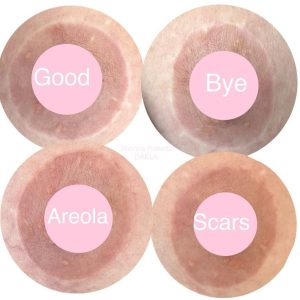




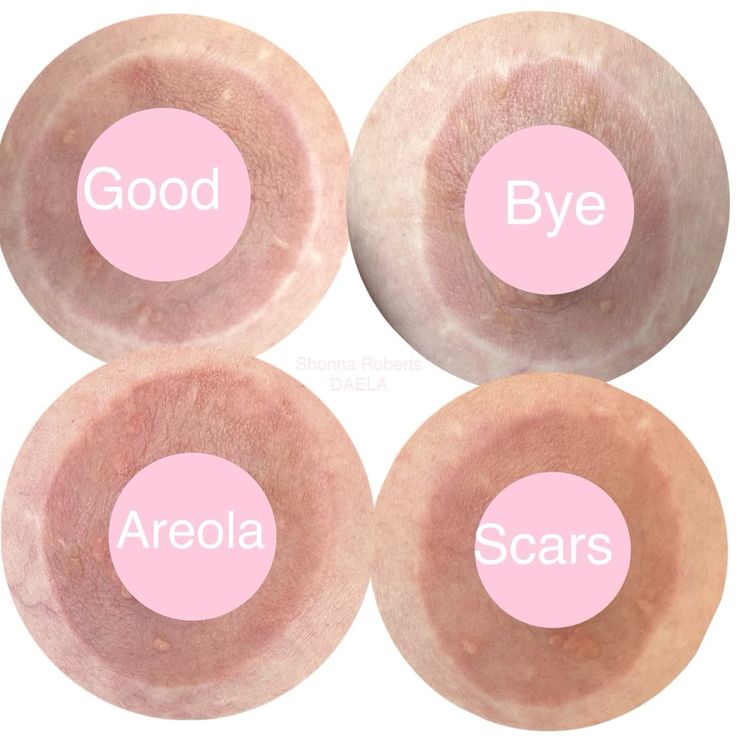
Surviving breast cancer is a profound triumph, yet the physical aftermath of treatment often leaves an unexpected emotional void. Even after reconstructive surgery restores volume and shape to the breast, the absence of a nipple and areola can serve as a daily visual reminder of illness, surgery, and loss. For many survivors, 3d areola tattoo cheyenne—also known as restorative nipple micropigmentation—acts as the final, transformative step that bridges the gap between medical recovery and emotional wholeness.
Reclaiming a Sense of Wholeness After Surgery
Breast reconstruction builds the structural foundation of the breast, but without the nipple-areola complex, the result can feel incomplete. Looking in the mirror and seeing a smooth, featureless mound or prominent surgical scars can trigger lingering grief or body dysmorphia long after oncology appointments have ended.
A 3D areola tattoo restores familiar anatomical landmarks. By using specialized light-and-shadow shading techniques, a paramedical artist creates a realistic visual illusion of nipple projection, natural pigmentation, and subtle skin texture. Seeing a complete, natural-looking breast again allows many survivors to move past the identity of “patient” and reconnect with their pre-diagnosis sense of self.
Shifting the Focus From Scars to Artistry
Mastectomy and reconstruction surgeries frequently leave noticeable incision lines across the chest. While scars are a testament to survival, they can also draw unwanted attention whenever a survivor dresses, undresses, or looks at their reflection.
Restorative tattooing helps visually soften and integrate these marks:
-
Camouflaging Incisions: Skilled artists strategically place the recreated areola and blend warm, skin-toned pigments over surrounding scar tissue so surgical lines fade into the background.
-
Restoring Visual Symmetry: In unilateral mastectomies, the artist custom-mixes pigments to mirror the exact shade, diameter, and subtle freckling of the remaining natural areola, creating visual balance that improves comfort in fitted clothing and swimwear.
-
Personalizing Aesthetic Closure: Survivors who choose not to undergo mound reconstruction—opting instead for an aesthetic flat closure—can also use 3D areola tattoos to restore natural chest proportions without additional surgery.
A Non-Surgical Path Without Extra Recovery Burden
After enduring chemotherapy, radiation, and major operations, many breast cancer survivors feel exhausted by medical procedures and hesitant to undergo another surgery just to reconstruct a nipple. Surgical nipple reconstruction requires incisions, wound care, and weeks of downtime, and the newly formed tissue often flattens over time.
3D areola tattooing offers an empowering, minimally invasive alternative:
-
No Operating Room Required: The procedure takes place in a calm, private studio or clinical setting using topical numbing cream rather than general anesthesia.
-
Immediate Visual Results: Survivors leave their session with an immediate, tangible restoration of their anatomy and minimal surface healing time.
-
Control Over the Outcome: Unlike surgery, where tissue healing can be unpredictable, clients collaborate directly with the artist on size, placement, and color before a single drop of pigment touches the skin.
Improving Intimacy, Body Image, and Daily Comfort
The psychological benefits of 3D nipple restoration extend far beyond private moments in front of a mirror. Clinical studies and survivor testimonials consistently show that completing the visual reconstruction process significantly improves self-esteem, sexual well-being, and social confidence.
-
Renewed Comfort in Intimacy: Feeling self-conscious about surgical changes often creates emotional distance in romantic relationships. Restoring a natural appearance helps many women feel more at ease and present with their partners.
-
Freedom in Everyday Wardrobe Choices: Survivors frequently report feeling comfortable again in low-cut tops, bralettes, athletic wear, and bathing suits without worrying about asymmetry or visible surgical contours.
-
Emotional Closure: For many, scheduling a 3D areola tattoo marks an intentional milestone—a celebratory ritual that closes the chapter on active cancer treatment and reclaims ownership over their body.
Taking the Next Step Safely
For survivors considering this option, timing and preparation ensure the best aesthetic and emotional experience:
-
Wait for Full Healing: Most oncology and surgical teams recommend waiting 6 to 12 months after your final reconstruction or radiation treatment so swelling has resolved and scar tissue has stabilized.
-
Obtain Medical Clearance: Always confirm with your surgeon or oncologist that your skin is healthy enough for paramedical tattooing.
-
Choose a Paramedical Specialist: Look for an artist trained specifically in restorative 3D areola micropigmentation on irradiated and scarred skin, and review portfolios of healed results (at least 6 to 8 weeks post-session) before booking.
