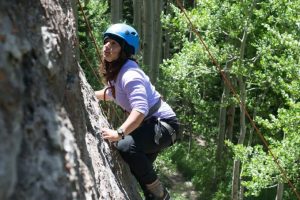



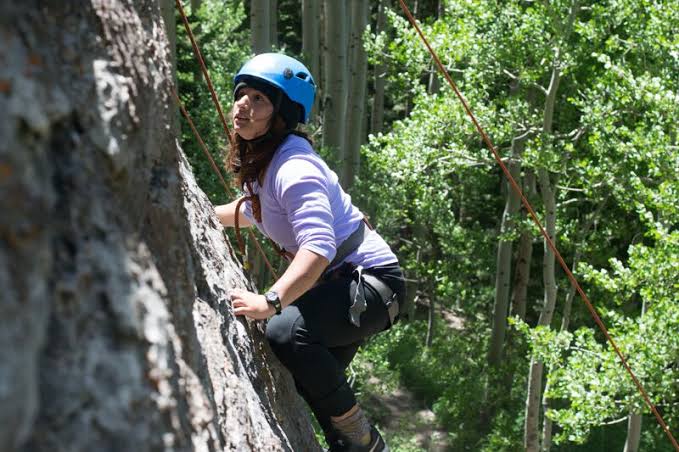
Leadership is often taught in classrooms through textbooks, case studies and group presentations. Yet some of the most powerful leadership lessons happen far from the whiteboard: on a bushwalking trail, at the base of a climbing wall, or around a campfire after a long day of paddling.
Outdoor leadership takes young people out of their comfort zones and places them in real situations where their decisions matter, their teammates rely on them, and the results are immediate.
For schools, parents and educators looking to build confident, capable and compassionate young people, outdoor leadership offers something that traditional learning environments simply cannot replicate.
What Is Outdoor Leadership?
Outdoor leadership is the practice of guiding, supporting and making decisions for a group in natural environments. It blends practical skills, such as navigation, risk assessment and first aid, with “soft” skills like communication, empathy and teamwork.
In a school context, outdoor leadership isn’t only about producing future hiking guides or expedition leaders. It’s about helping students recognise their own strengths, take responsibility for others, and learn how to stay calm and focused when things don’t go to plan.
A student who learns to lead a small group across a creek crossing is building the same core capabilities they will later use to lead a project team, a sporting side or even a business.
Why the Outdoors Is the Perfect Leadership Classroom
Nature is an honest teacher. If a tent isn’t pitched properly, it rains inside. If a group doesn’t communicate on a navigation exercise, they take the wrong track.
These natural consequences give students instant, meaningful feedback without the artificial pressure of grades or tests.
The outdoors also levels the playing field. The student who struggles in maths might be the one who keeps the group laughing and motivated on a tough uphill climb.
The quiet student who rarely speaks in class might turn out to be the calmest decision-maker when the weather changes. Outdoor settings reveal hidden leaders and give every student a chance to contribute in their own way.
Just as importantly, time outdoors supports wellbeing. Fresh air, physical activity and a break from screens help young people feel more present, more connected to their peers, and more open to new challenges.
Key Skills Young Leaders Develop Outdoors
Outdoor leadership programs are designed to build a well-rounded set of capabilities. Here are some of the most valuable skills students develop:
- Decision-making under pressure. Whether choosing a safe route or deciding when to rest, students learn to weigh up options, consider risks and commit to a choice, even when information is incomplete.
- Clear communication. Giving instructions to a team on a high ropes course or during a canoe rescue drill teaches students to speak clearly, listen actively and confirm that everyone understands.
- Resilience and adaptability. Plans change outdoors. Weather shifts, equipment fails and energy levels drop. Students learn to adjust, problem-solve and keep a positive attitude when things get difficult.
- Teamwork and collaboration. Outdoor challenges rarely succeed through individual effort alone. Students discover how to share responsibilities, draw on each other’s strengths and support teammates who are struggling.
- Empathy and awareness of others. Good leaders notice when someone is tired, scared or left out. Outdoor experiences help students develop the emotional awareness to recognise and respond to the needs of the group.
- Responsibility and accountability. When students are given real roles, such as navigator, timekeeper or camp cook, they learn that their actions directly affect the people around them.
- Environmental stewardship. Leading in nature also means respecting it. Students learn Leave No Trace principles and develop a lasting appreciation for protecting natural spaces.
Watch: Building Leaders at Camp
Want to see how camp experiences can be intentionally designed to grow leadership in young people? This episode of Camp Code explores practical strategies for helping campers step up and lead: Training Campers to be Leaders – Camp Code #152.
How Schools Can Foster Outdoor Leadership
Building leadership outdoors doesn’t happen by accident. The most effective programs are carefully planned, safely run and closely linked to students’ learning goals. Here’s how schools can get the most from the experience.
Start with a Clear Purpose
Before booking any trip, it helps to define what you want students to gain. Is the focus on team building for a new Year 7 cohort? Developing senior student leaders? Building independence before graduation? A clear purpose shapes the activities, group sizes and reflection sessions that follow.
Choose an Experienced Outdoor Education Partner
Safety, qualified instructors and well-designed programs are essential. Partnering with a specialist provider means students are guided by professionals who know how to balance challenge with care. For schools in New South Wales, well-structured school camps sydney educators trust can provide age-appropriate adventures that are purpose-built to develop leadership, teamwork and resilience.
Give Students Real Responsibility
Leadership grows when students are trusted. Rotate leadership roles throughout the camp so that every student has the chance to lead, follow and support. Let groups make genuine decisions, within safe boundaries, and allow them to learn from the outcomes.
Make Time to Debrief and Reflect
The real learning often happens after the activity ends. Guided debriefs help students connect their experiences to everyday life. Simple questions such as “What worked well for our team?” or “What would you do differently next time?” turn an exciting day outdoors into a lasting lesson.
The Long-Term Benefits of Outdoor Leadership
The impact of outdoor leadership doesn’t fade when the bus returns to school. Teachers often notice students who are more confident in class, more willing to help peers and better at managing setbacks. Friendships formed during shared challenges can strengthen the whole school community.
Over time, these experiences shape young people who are ready to lead in all areas of life. They understand that leadership isn’t about being the loudest voice in the room; it’s about listening, supporting others, making thoughtful decisions and taking responsibility when it counts.
Bringing Leadership Home
Outdoor leadership offers students something rare: the chance to discover who they are when the stakes feel real and the support is genuine. By stepping into nature, young people build the skills, character and confidence they will carry into their studies, careers and communities.
For schools looking to prioritise wellbeing, character development and real-world learning, investing in outdoor leadership experiences is one of the most rewarding decisions they can make. The trail, the river and the campsite are waiting, and so are the leaders of tomorrow.