



When someone we love passes away, one of the first questions we face is how to remember them. A memorial is more than a marker.
It is a place, object, or experience that holds a person’s story and gives the people left behind somewhere to bring their grief, gratitude, and love.
Today, families have more options than ever, from traditional stone monuments to living gardens and online tribute pages. Understanding the different types of memorials can help you choose one that truly reflects the life you want to honor.
Why Memorials Matter
Memorials serve both the person who has passed and the people who are grieving. They create a lasting record of a life, offer a focal point for remembrance on anniversaries and holidays, and help families pass stories down to future generations.
For many people, the act of creating a memorial is itself part of healing. Choosing a photo, writing an inscription, or planting a tree gives grief a constructive outlet and turns loss into an expression of love.
A good memorial also reflects personality. A lifelong gardener might be best remembered with a flowering tree, while a person who loved connecting with others might be honored with a space where friends can continue sharing stories long after the funeral.
Common Types of Memorials
There is no single right way to remember someone. Below are the most popular types of memorials, each offering a different way to keep a loved one’s memory alive.
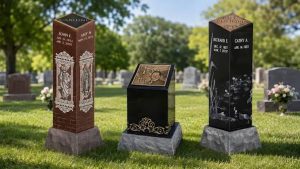
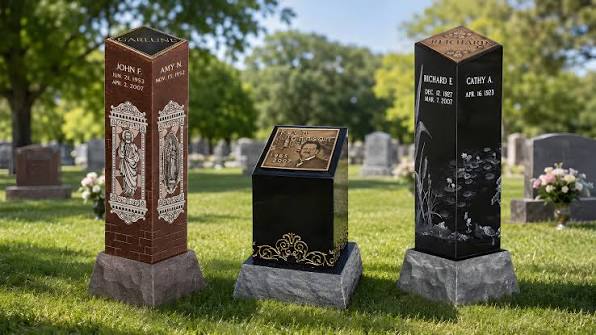
- Headstones and Grave Markers. The most traditional form of memorial, headstones are typically made of granite, marble, or bronze and placed at a burial site. They range from simple flat markers to upright monuments with engraved artwork, epitaphs, and photographs. Headstones provide a permanent physical location for visits and remain a meaningful choice for families who value tradition.
- Cremation Memorials. As cremation becomes more common, families are finding creative ways to memorialize ashes. Options include decorative urns, columbarium niches, scattering gardens, and keepsake jewelry that holds a small portion of remains. Some families even turn ashes into glass art, memorial diamonds, or reef balls that support ocean life.
- Living Memorials. Living memorials celebrate life through growth. Planting a tree, dedicating a garden, or sponsoring a park bench in a favorite outdoor spot creates a peaceful place for reflection that changes with the seasons. These memorials are especially fitting for people who loved nature, and they benefit the wider community as well.
- Digital Memorials. Online memorials have become one of the fastest-growing ways to honor loved ones. A digital memorial tribute page brings together photos, videos, life stories, and messages from friends and family in one place that anyone can visit from anywhere in the world. Unlike physical memorials, digital tributes can be updated over time, shared instantly with relatives who live far away, and preserved for future generations who may never have met the person.
- Memorial Keepsakes and Jewelry. Personal keepsakes allow you to carry a loved one’s memory with you every day. Popular choices include engraved lockets, fingerprint pendants, memory quilts sewn from favorite clothing, framed handwriting, and shadow boxes filled with meaningful mementos. These small items often become cherished family heirlooms.
- Charitable and Scholarship Memorials. Some families choose to honor a loved one by supporting a cause they cared about. This can mean establishing a scholarship fund, donating to a charity in their name, or organizing an annual fundraiser such as a memorial run or walk. These tributes extend a person’s values and generosity into the future, helping others in their name.
- Public Memorials and Dedications. Public memorials include plaques, engraved bricks, benches, library book dedications, and named rooms in schools, churches, or hospitals. On a larger scale, communities create monuments to remember historical events, veterans, or victims of tragedies. These memorials connect personal grief to shared community remembrance.
- Memorial Events and Rituals. Not every memorial is an object. Annual gatherings, candle lightings, balloon or lantern releases, and celebration-of-life parties keep memories alive through shared experience. Many families create traditions such as cooking a loved one’s favorite recipe on their birthday or visiting a meaningful place each year.
How to Choose the Right Memorial
With so many options, deciding on the right memorial can feel overwhelming. Start by thinking about the person you are honoring. What did they love?
How did they spend their time?
What values did they hold most dearly?
A memorial that reflects their passions will feel more personal and meaningful.
Next, consider the needs of your family. If relatives live in different cities or countries, a digital memorial makes it easy for everyone to participate and contribute memories.
If your family finds comfort in visiting a physical place, a headstone, bench, or memorial garden may be the better fit. Budget also matters. Some memorials, like a tree planting or an online tribute page, are affordable and accessible, while custom monuments can require a larger investment.
Finally, remember that you do not have to choose just one. Many families combine several types of memorials, such as a traditional headstone, a keepsake necklace for each grandchild, and an online tribute page where stories can be gathered over the years.
Watch: Creative Ideas for Memorial Keepsakes
If you are looking for inspiration, this short video shares a range of thoughtful options for honoring someone you love: 10 Memorial Keepsake Ideas (YouTube). It offers practical ideas that can complement a traditional or digital memorial.
Final Thoughts
Memorials come in many forms, but they all share a single purpose: to make sure a life is never forgotten. Whether you choose a granite headstone, a flowering tree, a piece of jewelry, a scholarship in their name, or a digital tribute page that brings family together across the miles, the best memorial is the one that feels true to the person you loved.
Take your time, involve those who knew them, and create something that will continue to comfort and inspire for years to come.